

- by Admin
Best Portable Sun Shade for Beach Days
- by Admin
By noon, the beach can go from perfect to punishing fast. Sand gets hot, kids get cranky, and that tiny patch of towel shade is not cutting it. A portable sun shade for beach trips solves a very real problem: how to stay out longer, feel better, and stop treating shade like a luxury.
The best setup is not always the biggest or the most expensive. It is the one you will actually bring, set up quickly, and trust when the wind picks up. That is where smart design matters. A beach shade should feel light in your hand, simple on arrival, and dependable once it is anchored.
A good beach day has a rhythm to it. You unload, claim your spot, get the towels down, keep snacks out of the sun, and try to create a little basecamp that works for everyone. Without shade, that setup falls apart sooner than most people expect.
Sun exposure is the obvious reason people shop for coverage, but comfort is just as important. A shaded spot makes it easier to cool off, take breaks, feed little kids, and keep phones, drinks, and bags from baking in direct sunlight. If you surf, fish, or stay for hours, shade also gives you a place to reset between sessions instead of retreating to the car.
That is why a portable beach shade earns its place in your gear lineup. It is not just about blocking rays. It is about making the whole day easier.
Not every shade works well on sand. Some look compact online and turn out bulky in real life. Others promise easy setup but become a wrestling match in wind. The difference usually comes down to a few practical details.
Portability comes first. If the shelter is awkward to carry with chairs, towels, a cooler, and everything else, it is already losing points. Weight matters, but so does pack shape. Long, rigid frames can be annoying on crowded walkways or when you are carrying gear with kids in tow.
Setup is next. Beach gear should not need a complicated instruction session. A well-designed shade goes up fast, uses the environment to its advantage, and does not require expert-level tensioning to stay stable. This is especially important for casual beachgoers who want to spend more time relaxing and less time fiddling with poles and cords.
Then there is protection. UPF-rated fabric is a major plus because not all materials block sun equally. If your goal is dependable coverage during peak hours, fabric performance matters more than color alone.
Wind performance is where trade-offs show up. Some shades offer lots of open airflow but less structure. Others feel more enclosed and stable but can run hotter if the breeze drops. The right pick depends on your beach, your group size, and how long you plan to stay.
A portable shade sounds simple until you realize there is a big difference between solo lounging and an all-day family setup. Size is not just about how many people can technically fit under it. It is about how you use the space.
If you mostly head to the beach as a couple or with one child, a smaller shade is easier to carry and quicker to pitch. It gives you enough room for sitting, bag storage, and a cooler without turning setup into a production. For families, extra space matters because people move around. Kids nap, snacks spread out, towels multiply, and suddenly a tight shelter feels even tighter.
This is where choosing the right capacity pays off. A 2-person setup can be ideal for quick beach trips and travel. A 4-person size often hits the sweet spot for small families. An 8-person option makes sense for group days, longer stays, or anyone who wants room to stretch without crowding. There is no trophy for buying bigger than you need. Bigger shades can take more space, more anchoring effort, and more attention in stronger wind.
People love the idea of beach shade. What they do not love is fighting with it while everyone else is already in the water.
A truly easy setup system changes the experience from the minute you arrive. Stretch fabric, intuitive poles, and sandbag-style anchoring can make a huge difference compared with traditional shelters that rely on more rigid frames. When setup is simple, you are more likely to use the shade for shorter outings, quick park stops, and spontaneous beach runs instead of reserving it for major trips only.
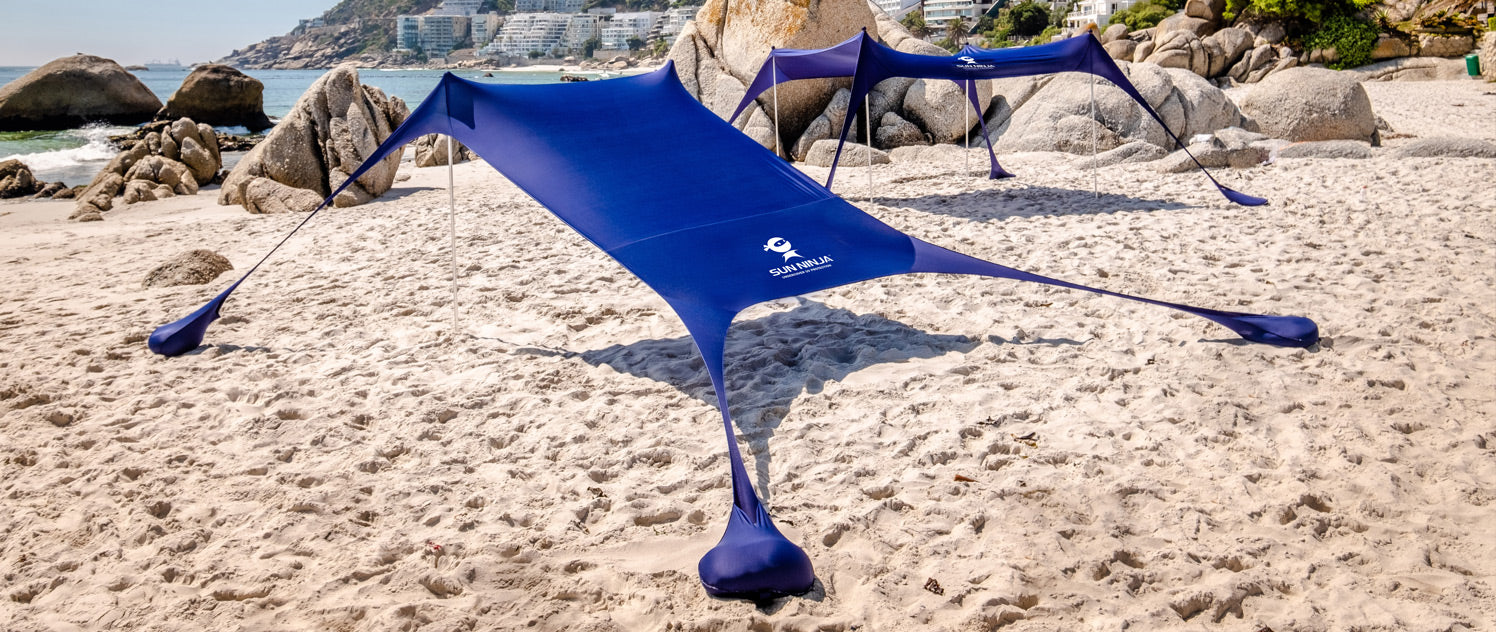
This is one reason modern beach shelter systems have become so popular. They are built for real-life use, not just showroom photos. Sun Ninja, for example, has leaned into that idea with lightweight, packable shade options designed for fast setup and repeat use. That kind of approach fits how most people actually shop - they want protection, but they also want less hassle.
Every beach is different. Wide open shorelines with steady coastal wind ask more from a shelter than a quiet cove or lakefront. That is why it helps to think beyond product photos and focus on conditions.
A shade that performs well on sand needs a reliable anchoring method. Sandbags are popular for a reason. They use what is already around you, cut down on extra weight during the walk in, and create a stable base when filled properly. Tension matters too. A loose canopy can flap, sag, or lose effectiveness quickly.
That said, no portable shade is magic. In very strong wind, even well-designed shelters need careful setup and occasional adjustment. If the forecast looks rough, it may be smarter to keep the setup lower, choose a more sheltered spot, or shorten the day. Good gear helps, but beach conditions still make the rules.
People often compare shades by footprint and carry size, but the fabric matters just as much. UPF 50+ coverage is a strong signal that the material is designed to block a high percentage of ultraviolet rays. That matters for adults, and it matters even more when babies or young children need a break from direct exposure.
Still, protection is only part of comfort. Airflow can make or break the space underneath. A shelter that traps heat may offer coverage but feel stuffy during peak sun. Open-sided designs often feel cooler because they allow cross-breeze, though they may shift shade coverage as the sun moves. More enclosed shelters can create a more private basecamp, but they may need better positioning to stay comfortable.
This is one of those it-depends decisions. If your priority is maximum breeze, go more open. If your priority is changing, napping, or a little more enclosure, choose a design with more structure.
The obvious answer is everyone, but some people really feel the payoff.
Families get more usable beach time because there is a place for breaks, snacks, and gear organization. Parents especially appreciate anything that helps manage heat and overstimulation. Surfers and active beachgoers get a comfortable recovery zone between sessions. Travelers benefit from compact gear that does not dominate the trunk or suitcase. Even casual weekend beach fans notice the difference when one piece of equipment makes the whole day more comfortable.
If you only stay for an hour at sunset, a shade may not be essential every time. But for midday trips, longer hangs, or full-day outings, it quickly becomes one of the smartest things you bring.
Start with your group size, then think about your walk from the car, your local beach conditions, and how often you plan to use it. If portability is your top concern, lean smaller and lighter. If family comfort matters most, give yourself more room than you think you need. If your beach gets breezy, prioritize anchoring and tension-friendly design over anything flashy.
And be honest about setup tolerance. The best shade for your beach day is the one that feels easy enough to use every time. Fancy features do not help if the shelter stays in the garage.
A portable sun shade for beach days should give you freedom, not extra work. When it is light, simple, and built for real sun and sand, it turns a short, sweaty outing into the kind of day you want to stretch a little longer. That is the kind of gear worth packing.
Share:
How to Set Up a Beach Tent Fast
Large Beach Tent for Family: What to Look For